
How Stiffened Flat Plate Tanks Resist Seismic Forces
Field erected tanks are designed to contain substantial volumes of liquid safely for years, but an earthquake introduces forces that are very different from normal operating loads. During a seismic event, the ground moves while the liquid inside a tank responds with its own momentum. The resulting combination of structural

New Innovations in Settling Tank Technology: Enhancing Performance and Reducing Footprint
Wastewater treatment facilities are under increasing pressure to process more water, improve effluent quality, and make better use of available space. Expanding a treatment plant by simply building larger tanks is not always practical, particularly when a facility is working within an existing industrial or municipal site. This challenge has
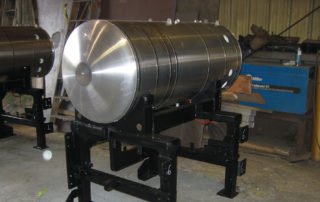
Managing Solids from Your Settling Tank
A settling tank is one of the most important components in the wastewater treatment process. While its primary role is to separate solids from treated water, it also produces something that requires careful planning and management: wastewater sludge. Although sludge is often viewed as a byproduct, how it is handled
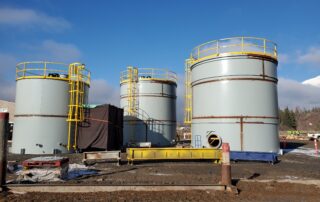
Ensuring Your Mining Water Tanks Meet Environmental and Safety Standards
Mining operations face enough challenges without having to worry about whether critical infrastructure meets regulatory requirements. Water tanks play an important role in everything from process water storage and dust suppression to potable water for workers. Because they serve so many different purposes, they must be designed and built with
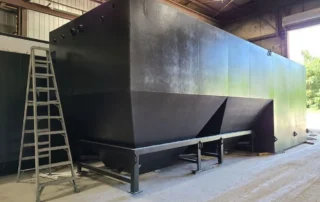
The Bubbling Heart of Clean Water: Understanding the Aeration Tank Process
When most people think about wastewater treatment, they imagine large tanks, pumps, and miles of piping. While these components are certainly important, the real work of industrial wastewater treatment happens at a much smaller scale inside carefully engineered aeration tanks. Inside every aeration tank, billions of naturally occurring microorganisms work
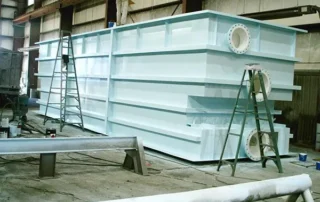
When to Choose Flat Plate Tanks for Optimal Performance
Choosing the right tank for an industrial application is about much more than selecting the right dimensions or storage capacity. The design of the tank itself has a direct impact on performance, durability, maintenance requirements, and long-term operating costs. For engineers, project managers, and procurement teams, one of the most
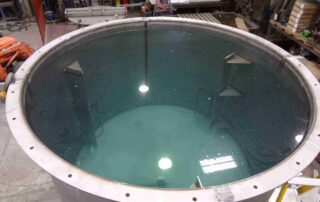
How Aeration and Settling Tanks Work Together for Clean Water
Wastewater treatment is often described as a series of stages, but that framing can make it sound more sequential than it is. The aeration tank and settling tank don't just follow each other in order — they depend on each other in ways that make the performance of one directly
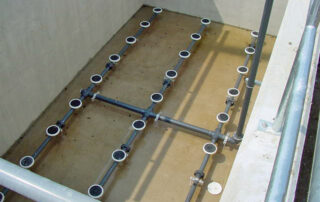
What’s Actually Living Inside Your Aeration Tank
Walk past a wastewater treatment facility and you'll see tanks, pumps, and pipes. What you won't see but what's doing most of the actual work is happening at a scale invisible to the naked eye. Inside every aeration tank, billions of microorganisms are feeding, reproducing, and breaking down waste continuously.
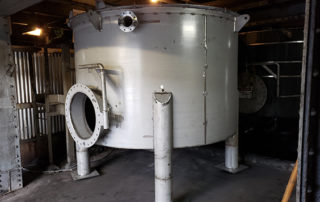
The Collaborative Process of Designing Your Custom Stiffened Flat Plate Tank
Every industrial project comes with its own set of requirements, constraints, and operational goals. When it comes to tanks used in mining, water treatment, manufacturing, or processing facilities, a standard solution rarely delivers the best results. That is why custom tank design plays such an important role in modern industrial
A Deep Dive into Stiffened Flat Plate Tank Design Principles
Flat plate tanks are widely used across industrial sectors including mining, water treatment, and manufacturing. Their rectangular design allows them to fit efficiently into plant layouts where round tanks may not be practical. While the concept may appear straightforward, flat plate tank engineering requires careful planning and structural analysis to