
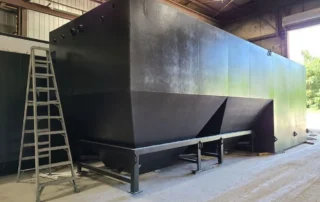
The Bubbling Heart of Clean Water: Understanding the Aeration Tank Process
When most people think about wastewater treatment, they imagine large tanks, pumps, and miles of piping. While these components are certainly important, the real work of industrial wastewater treatment happens at a much smaller scale inside carefully engineered aeration tanks. Inside every aeration tank, billions of naturally occurring microorganisms work
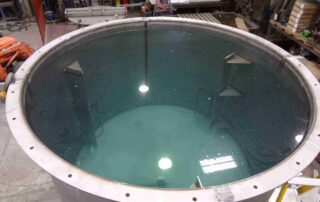
How Aeration and Settling Tanks Work Together for Clean Water
Wastewater treatment is often described as a series of stages, but that framing can make it sound more sequential than it is. The aeration tank and settling tank don't just follow each other in order — they depend on each other in ways that make the performance of one directly
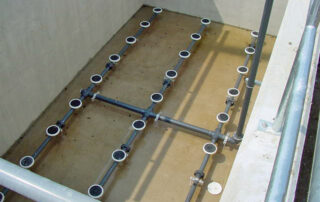
What’s Actually Living Inside Your Aeration Tank
Walk past a wastewater treatment facility and you'll see tanks, pumps, and pipes. What you won't see but what's doing most of the actual work is happening at a scale invisible to the naked eye. Inside every aeration tank, billions of microorganisms are feeding, reproducing, and breaking down waste continuously.
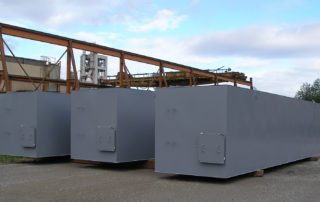
Optimizing Your Aeration Tank for Energy Efficiency
Aeration tanks are the workhorses of wastewater treatment. But they also account for many operational energy costs—often up to 60% of total plant electricity usage. For wastewater facilities across British Columbia, the push for cost reduction and sustainability makes it critical to optimize these systems for energy efficiency. If you're
Troubleshooting Common Aeration Tank Problems
Maintaining an effective Aeration Tank in Wastewater Treatment is critical for municipalities across British Columbia. When things go wrong — whether it’s foaming, sludge bulking, or dissolved oxygen (DO) issues — it can cause serious operational headaches and compliance risks. Understanding aeration tank problems and knowing how to troubleshoot them
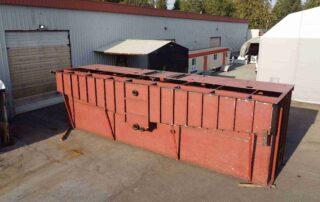
Advances in Aeration Tank Technology
Efficient wastewater treatment is critical for protecting public health and the environment. Aeration tanks play a central role in breaking down organic matter, removing pollutants, and ensuring treated water meets safety standards. As environmental regulations tighten and population growth increases demand, innovations in aeration tank technology are transforming wastewater treatment
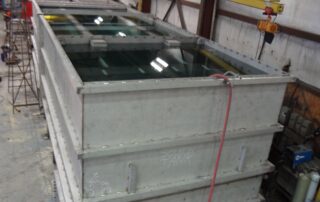
Aeration Tanks: The Heart of Wastewater Treatment
Aeration tanks are a crucial component of wastewater treatment plants, playing a pivotal role in the biological breakdown of organic matter. By introducing oxygen into the wastewater, these tanks create an environment conducive to the growth of beneficial bacteria. The Role of Aeration in Wastewater Treatment The primary function of
The Vital Role of Aeration in Wastewater Treatment: Keeping Our Water Clean
Have you ever wondered how wastewater gets treated before it's safely returned to the environment? It's a complex process, but one crucial element plays a starring role: aeration. Aeration isn't just a fancy term – it's the intentional addition of oxygen to wastewater, and it's essential for breaking down pollutants